
 By Prime Star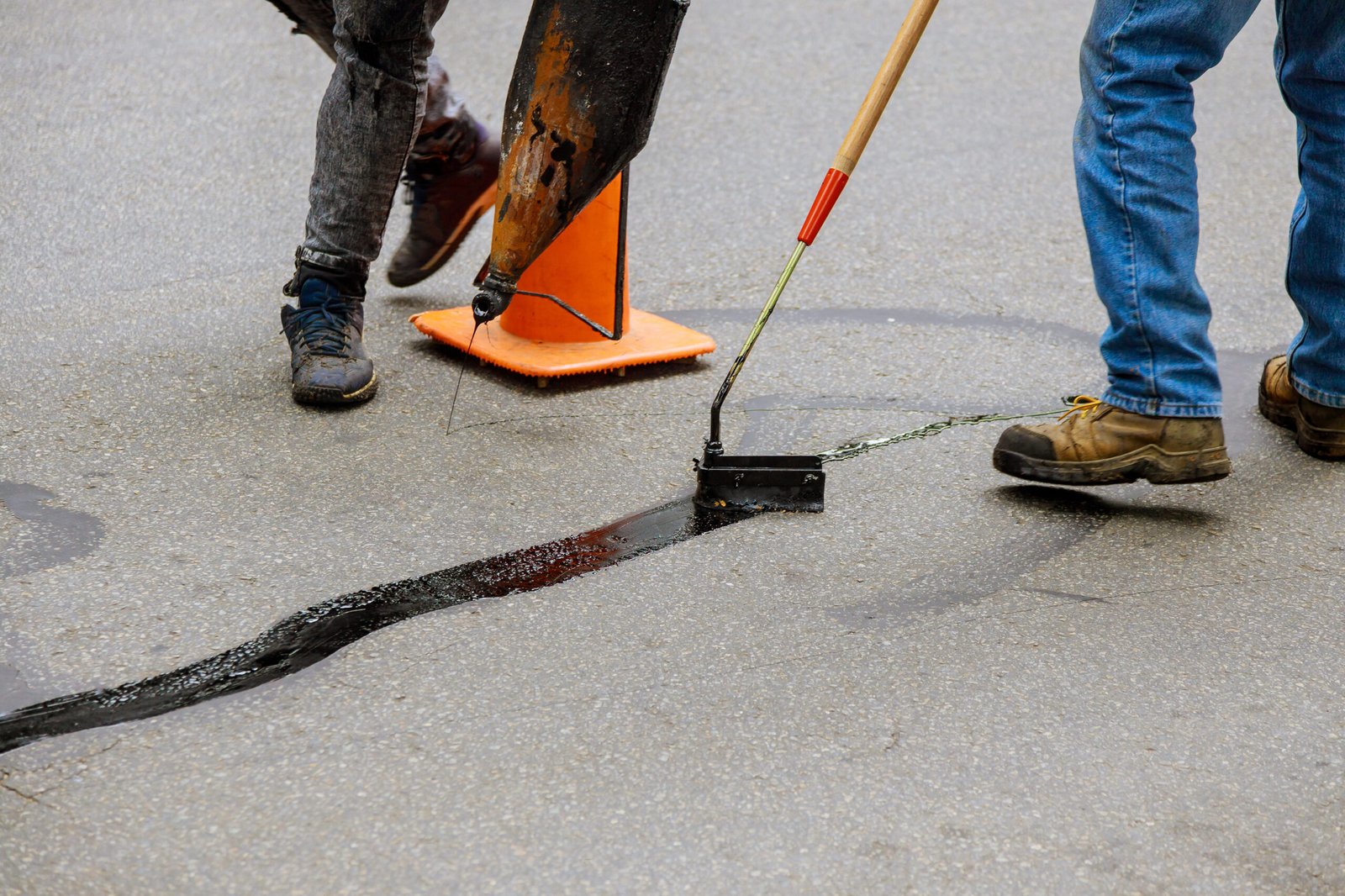
Asphalt surfaces start out smooth but can develop cracks and potholes over time, becoming expensive and hazardous. Understanding the causes of deterioration, such as environmental stress, heavy loads, and chemical exposure, is crucial for extending the pavement’s lifespan.
Primary Causes of Cracks: Weather Extremes and UV Exposure
The environment plays a massive role in the health of your pavement. Asphalt is naturally flexible, which allows it to bear heavy weights. However, intense sunlight and extreme temperatures gradually strip away this flexibility.
When asphalt is exposed to direct sunlight, ultraviolet (UV) rays dry out the liquid asphalt binder that holds the rocks and sand together. This process, known as oxidation, causes the pavement to turn from a rich black to a faded gray. As the binder deteriorates, the asphalt becomes brittle and loses its ability to flex under pressure.
Temperature fluctuations also cause significant stress. During the summer, intense heat causes the asphalt to expand. When temperatures drop at night or during the winter months, the material contracts. This constant expanding and contracting pulls the pavement apart, inevitably leading to surface cracks.
Water Penetration: How Moisture Destroys the Base Layer
Water is arguably the most destructive force your asphalt will ever face. While the surface of your pavement is designed to shed water, even the smallest crack provides an entry point for moisture to seep beneath the surface.
Once water penetrates the top layer, it reaches the foundational base layer. If the water pools there, it begins to erode the materials supporting your pavement. A weakened base cannot support the heavy layer of asphalt above it, causing the surface to cave in and crack further.
The damage accelerates rapidly in colder climates. When water seeps into the cracks and freezes, it expands by about nine percent. This expansion pushes the asphalt upward and outward, widening existing cracks. When the ice eventually thaws, it leaves behind a larger void. The next time a vehicle drives over this weakened, hollow area, the pavement collapses, forming a pothole.
Heavy Loads and High Traffic: Structural Damage Over Time
Asphalt is engineered to support specific weight limits. A residential driveway is built differently than a commercial parking lot or an industrial loading dock. When vehicles exceed the designed weight capacity of the pavement, structural damage is inevitable.
Heavy vehicles like garbage trucks, delivery vans, and construction equipment place immense pressure on the pavement. Even if the base layer is perfectly intact, repeated exposure to overweight loads will stress the asphalt beyond its flexing point. This continuous pressure often leads to a specific type of damage known as alligator cracking.
Alligator cracking appears as a series of interconnected cracks that resemble the scales of a reptile. This pattern is a clear indicator that the base layer has failed or the pavement is bearing too much weight. Unlike simple surface cracks, alligator cracking requires extensive repair, often involving the removal and replacement of the affected area.
Prevention and Repair: Why Professional Maintenance Matters
You cannot control the weather or stop the sun from shining, but you can control how well your pavement is maintained. Regular upkeep creates a protective barrier against the elements and stops small problems from growing.
Sealcoating is one of the most effective preventative measures available. A fresh sealcoat acts like sunscreen for your pavement. It blocks harmful UV rays, resists chemical spills from vehicles, and provides a waterproof layer that keeps moisture out. Property owners should generally apply a sealcoat every two to three years to maintain optimal protection.
When cracks do appear, they must be filled immediately. Crack filling uses a specialized rubberized material that moves with the pavement as it expands and contracts. This seals the opening and prevents water from reaching the base layer. Working with experienced asphalt contractors in Ogden, UT, ensures that your driveway or parking lot gets the right treatment at the right time. Professionals have the proper equipment and materials to apply long-lasting fixes rather than temporary patches.
Conclusion
Your driveway or parking lot is a significant financial investment. Ignoring routine maintenance will simply accelerate the need for a complete, expensive replacement.