
 By Arthur
Punta Cana International Airport (PUJ) isn’t just an airport; it’s the vibrant, sun-drenched gateway to the Dominican Republic’s most famous coastline. As the busiest airport in the Caribbean, welcoming over 8 million passengers annually, it serves as the primary entry point for travelers seeking the pristine beaches of Bavaro, Cap Cana, and Uvero Alto. For many, the journey from plane to poolside is the final, crucial leg of the vacation. Navigating PUJ efficiently can mean the difference between a stressful start and a seamless transition into holiday mode. This comprehensive guide provides the insights you need to master your arrival, from immigration to your hotel transfer.
Punta Cana International Airport: The Caribbean’s Hub
Strategically located on the country’s eastern tip, PUJ is uniquely designed with open-air terminals that let the tropical breeze in, offering an immediate taste of the island atmosphere. Its significance extends beyond Punta Cana itself, providing access to the entire eastern region. The resort areas of Bavaro and Macao are a 20-30 minute drive, while the luxurious enclave of Cap Cana is about 15 minutes south. The airport’s massive capacity and efficiency are a testament to the Dominican Republic’s tourism prowess, but its high volume demands savvy navigation.
Understanding the Airport Layout
PUJ has two main terminal complexes:
- Terminal A: Handles the majority of international commercial flights from the U.S., Canada, and Europe. Major carriers like American, Delta, United, JetBlue, Air Canada, and European charters operate here.
- Terminal B: Primarily services domestic and regional flights, as well as some international arrivals, including select European carriers and additional charters.
The terminals are connected by a central walkway, making landside navigation straightforward. Airside, however, you must clear immigration in the terminal where your flight arrives.
The Arrival Process: A Step-by-Step Guide
Immigration (Migración): Upon disembarking, follow the signs to immigration. Lines can be long during peak hours (10 AM – 4 PM). Have your passport, completed E-Ticket (replacing the paper Tourist Card), and customs declaration ready. The E-Ticket must be filled out online within 72 hours of arrival (one per family). Officials are often efficient but not hurried; patience is a virtue.
Baggage Claim: After passport control, proceed to the baggage carousels. This area can be crowded. Double-check your bag tag against the luggage you collect.
Customs (Aduana): After collecting all bags, you will join the customs line. The Dominican Republic uses a red/green light system. Press the button; a green light means proceed. A red light means your luggage will be inspected. Declare all items of value and any restricted goods.
The Final Corridor – Navigating Services & Solicitations: Exiting the secure baggage claim area leads into a bustling arrival hall. This is a critical zone where preparedness pays off.
Timeshare & Tour Kiosks: You will be approached by representatives offering “free” tours, discounts, or transportation. They are often persuasive. A polite but firm “No, gracias” while continuing to walk is essential. Crucially, no legitimate pre-booked transfer driver will meet you here. They wait outside the main exit doors.
Currency Exchange & SIM Cards: Multiple money exchange and telecom kiosks (Claro, Altice) are available. While convenient, airport exchange rates are less favorable than in town. Withdrawing Dominican Pesos (DOP) from an ATM or exchanging a minimal amount for initial tips is often smarter. Purchasing a local SIM card here, however, can be very efficient.
Rental Car Counters: If you’ve pre-booked a rental, company desks are located in this hall.
Ground Transportation: Choosing Your Path to the Resort
This is your most important decision upon arrival. Punta Cana’s resorts are spread along a vast coastline, and public transport is not geared toward tourists with luggage. Here’s a detailed breakdown, including reputable private transfer companies.
1. Private Transfers (The Recommended Choice for Comfort & Efficiency)
Pre-booking a private transfer at Punta Cana Airport is the gold standard. A professional driver will meet you outside the terminal with a sign, assist with luggage, and provide direct, air-conditioned service to your resort’s lobby. Three highly-regarded operators are:
- Punta Cana Airport Transfers: Known for their 24/7 reliability and extensive fleet, they offer everything from sedans to large vans and minibuses. Their drivers are typically bilingual and monitor flights for delays.
- Sacbe Transfers: While also operating in Mexico, they have a strong presence in Punta Cana with a reputation for exceptional customer service, modern vehicles, and clear, all-inclusive pricing with no hidden fees.
- Punta Cana Airport Transportation: A popular local provider offering competitive rates and straightforward online booking. They are praised for their punctuality and professional, courteous drivers.
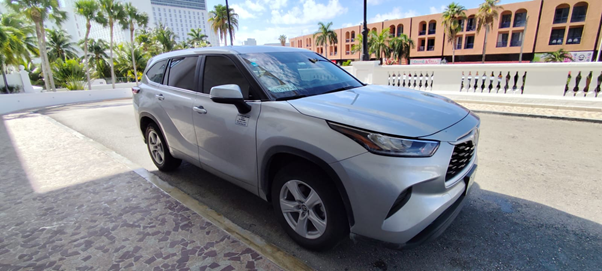
Cost & Booking: Prices vary by destination and vehicle size. A round-trip private transfer in Punta Cana for up to 4 people to Bavaro typically ranges from $60-$100, while Uvero Alto can be $30-$80. Always book in advance online for the best rate and guaranteed service.
2. Resort-Shared Shuttles
Many resorts and tour operators offer shared shuttle service. You’ll share a van or bus with other travelers heading to different hotels along a route. It’s cheaper than a private transfer but involves multiple stops and can significantly lengthen your transfer time, especially if you are the last drop-off.
3. Taxis
Official airport taxis (with “Aeropuerto” markings) are available at fixed-rate booths outside the terminal exits. Always pay at the booth and get a receipt before being directed to your cab. Never negotiate with drivers inside the terminal. Rates are set by destination and are substantially higher than private transfers for anything but the shortest trips.
4. Rental Cars
Ideal for explorers planning to visit Santo Domingo, Samaná, or remote beaches. Rental counters are in the arrival hall. Be prepared for Dominican driving styles, ensure your rental includes mandatory insurance, and have a reliable GPS or offline maps.
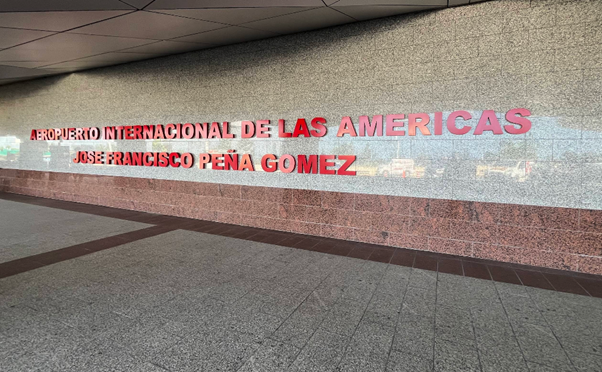
A Note on the Other Gateway: Las Américas International Airport (SDQ)
For travelers focusing on the capital city or the southern coast, Las Américas International Airport (SDQ) in Santo Domingo is a key alternative.
- Location: Approximately 20-30 minutes east of Santo Domingo’s city center and Colonial Zone, and about a 2-2.5-hour drive from Punta Cana/Bavaro.
- Profile: SDQ handles a significant mix of international, domestic, and cargo flights. It is the preferred arrival point for business travel, cultural tourism to the historic capital, and visits to destinations like Boca Chica or Juan Dolio.
- When to Consider SDQ: If your itinerary centers on exploring the rich history of Santo Domingo’s Zona Colonial, or if you are beginning a road trip along the southern coast towards Barahona, SDQ is more convenient. Flight options from certain U.S. hubs can also be more diverse or economical.
- Ground Transportation from SDQ: The same rules apply. Private transfer companies like Punta Cana Airport Transfers and Sacbe Transfers also service SDQ, offering direct rides to Punta Cana or city hotels. Official taxis are available via a pre-paid booth. Ride-hailing apps like Uber operate reliably in Santo Domingo and are a cost-effective option from SDQ to the city.
Pro-Tips for a Flawless Punta Cana Arrival
- Complete the E-Ticket Online: Fill out the mandatory E-Ticket for immigration and customs before you fly to save time.
- Pack Essentials in Carry-On: Include a swimsuit, sunscreen, and a change of clothes in case of baggage delay.
- Small Bills Are King: Have US$20-50 in small denominations ($1, $5, $10) for immediate tips and small purchases. While USD is widely accepted, pesos are preferred for local dealings.
- Confirm Your Pickup Location: After booking your transfer, note the company’s specific meeting instructions. Most will be just outside the terminal doors in the designated pickup lane.
By understanding the rhythm of Punta Cana’s airport, preparing your documents, and securing your transportation ahead of time, you can transform the arrival experience from a logistical hurdle into the effortless beginning of your perfect Caribbean getaway.
You May Also Like: King Charles Sustainable Travel Initiatives: A Royal Blueprint