
 By Siam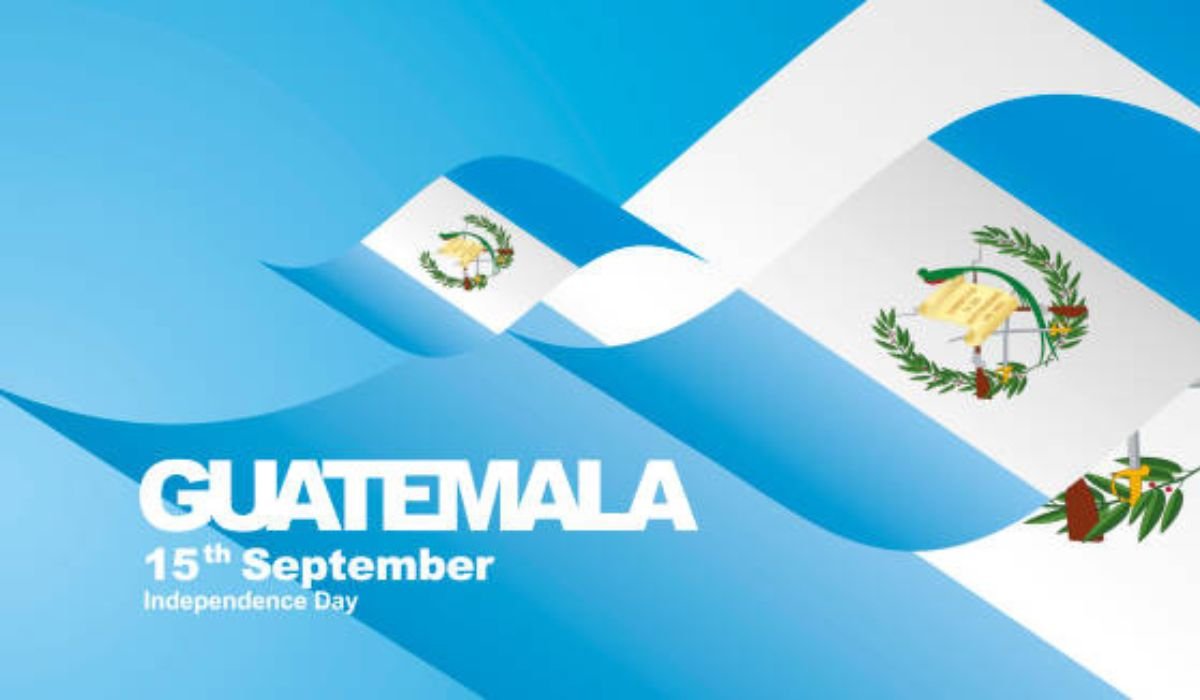
Key Points
- Research suggests Guatemala, often called the heart of the Maya world, boasts diverse wonders from ancient ruins to active volcanoes, inspiring travelers with its vibrant history and landscapes.
- It seems likely that the country’s 37 volcanoes, including three active ones, provide unique adventures like hiking and roasting marshmallows over lava flows, though safety precautions are essential.
- Evidence leans toward Guatemala being a cradle of chocolate culture, where ancient Maya developed early cacao preparations, blending innovation with ritual.
- The quetzal, a stunning bird symbolizing freedom, graces both the national flag and currency, highlighting cultural pride amid ongoing conservation efforts.
- With 23 languages spoken, including Spanish and 22 indigenous ones, Guatemala’s linguistic diversity reflects its rich multicultural heritage, though some dialects face preservation challenges.
Natural Marvels
Guatemala’s geography features stunning contrasts, from volcanic highlands to tropical rainforests. Lake Atitlán, the deepest in Central America at 340 meters, is ringed by volcanoes and offers breathtaking views for photographers and hikers. The country’s biodiversity includes over 2,000 plant species and hundreds of birds, making it a hotspot for eco-tourists. For adventure seekers, climbing Pacaya Volcano allows close encounters with lava, but always join guided tours for safety.
Cultural Highlights
Indigenous traditions thrive through colorful textiles, each pattern telling stories of heritage and community. Festivals like the Giant Kite Festival on All Saints’ Day honor ancestors with massive, intricate kites soaring over cemeteries. Coffee culture is central, with high-quality beans from regions like Antigua fueling the economy and offering farm tours for visitors.
Historical Insights
As a Maya epicenter, sites like Tikal reveal pyramids and temples from 600 BC, blending archaeology with jungle exploration. Modern innovations trace back too, such as instant coffee invented here, adding quirky layers to its story. Travelers can immerse in this by visiting ruins or joining cultural workshops.
Fun Facts About Guatemala: Maya Magic Unleashed
Picture this: you’re trekking through misty jungle, the air thick with the calls of exotic birds, when suddenly an ancient pyramid pierces the canopy like a forgotten giant. That’s the thrill of Guatemala, where history doesn’t just linger in textbooks, it pulses through every volcano hike and colorful market stall. Your exploration of fun facts about Guatemala starts here, blending timeless Maya mysteries with modern surprises that make this Central American gem irresistible.
Why Guatemala’s History Comes Alive Here
Think of Guatemala as a living museum, where layers of civilizations stack up like a well-worn journal. At its core beats the ancient Maya world, a society that flourished from around 2000 BC to the Spanish arrival in the 1500s. These innovators built sprawling cities, mastered astronomy (they predicted solar eclipses with eerie accuracy), and crafted calendars more precise than many used today. Tikal, one of the largest Maya sites, hums with that energy: imagine climbing Temple IV at dawn, the jungle awakening below as mist swirls around 200-foot pyramids. It’s no wonder UNESCO dubbed it a mixed World Heritage site for both cultural brilliance and natural splendor.
But Guatemala’s story doesn’t stop with the Maya. Spanish colonial influences add baroque churches and cobblestone streets, especially in Antigua, another UNESCO treasure with its ruined convents whispering tales of earthquakes past. Fast-forward to the 20th century, and you’ll find poignant reminders of resilience: the 36-year civil war (1960-1996), the longest in Latin America, shaped modern identity, fostering a spirit of unity amid diversity. Today, indigenous communities (over half the population) keep traditions vibrant, from weaving symbolic textiles to celebrating with giant kites on All Saints’ Day. Consider this: Guatemala has produced two Nobel laureates, including Rigoberta Menchú Tum for her indigenous rights advocacy, proving its people turn challenges into global inspiration.
What makes it feel so human? The blend of myth and reality. Locals still honor Maximón, a folk saint who’s part Maya deity, part Catholic figure, often depicted enjoying cigars and rum in exchange for blessings. It’s quirky, it’s real, and it pulls you into the cultural heartbeat. Mythbuster: No, the Maya didn’t predict the 2012 apocalypse, that was a modern misread of their calendar cycles. Instead, their legacy lives in everyday life, like the 22 Mayan languages spoken alongside Spanish, Xinca, and Garifuna. Chills guaranteed when you chat with a weaver in a highland village, her huipil blouse a canvas of zigzags symbolizing volcanoes or diamonds for the universe’s corners.
READ ALSO: Aruba Travel Guide 2026: How to Plan the Ultimate One Happy Island Escape
Mapping Your Visit: Must-See Zones
Guatemala packs a punch in its compact size (about as big as Tennessee), making it perfect for hopping between wonders. Start in the north with Tikal National Park: this 57,600-hectare expanse isn’t just ruins, it’s a biodiversity haven with over 2,000 plant species, 300 birds (spot the ocellated turkey), and elusive jaguars prowling the undergrowth. Wander the Great Plaza, flanked by towering temples that once hosted rituals, or hike to the Lost World Complex for sunset views that feel otherworldly.
Head south to Lake Atitlán, a caldera-formed beauty ringed by three volcanoes (Atitlán, Tolimán, San Pedro) and dotted with Maya villages. At 340 meters deep, it’s Central America’s deepest lake, ideal for kayaking or visiting San Juan La Laguna for textile demos. Don’t miss volcano country: with 37 peaks, including active Pacaya where you can roast marshmallows over lava vents or Fuego for dramatic eruptions (from a safe distance, of course). Antigua serves as a colonial hub, its pastel facades hiding chocolate museums and jade shops. For coastal vibes, hit Monterrico’s black-sand beaches to release baby olive ridley turtles into the Pacific, a hands-on conservation thrill during June-December nesting season.
To organize your trek, here’s a handy table of top zones:
| Zone | Highlight | Best Activity | Pro Tip |
| Tikal National Park | Ancient Maya pyramids in jungle | Sunrise temple climb | Book a guide for hidden hieroglyph stories; avoid midday heat |
| Lake Atitlán | Deepest lake with volcano views | Boat tours to indigenous villages | Stay in Panajachel for markets; learn basic Kaqchikel phrases |
| Pacaya Volcano | Active lava flows | Guided hike with marshmallow roast | Wear sturdy boots; check eruption alerts via official apps |
| Antigua Guatemala | Colonial architecture, UNESCO site | Chocolate tasting tours | Visit during Semana Santa for elaborate processions |
| Monterrico Coast | Black-sand beaches, turtle nests | Baby turtle releases | Go in peak season (Aug-Sep); support local hatcheries |
Embed a visual map here: think a colorful infographic tracing Guatemala’s zones from Maya north to volcanic south, with icons for quetzals, pyramids, and coffee beans for that explorer vibe.
Beyond the Guidebooks: Hidden Narratives
Dig deeper, and Guatemala surprises with offbeat tales. Take chocolate: the Maya here revered cacao as “food of the gods,” grinding beans into frothy drinks laced with chili and honey, even using them as currency. While modern bars evolved later, early solid forms trace to these innovators; sample artisanal versions in Antigua’s ChocoMuseo. Another gem: instant coffee was born here in 1906 by Belgian-American George Washington (no relation to the president), revolutionizing your morning brew.
The name “Guatemala” means “land of many trees” in Nahuatl, fitting for a megadiverse spot with ecosystems from cloud forests to mangroves, home to the resplendent quetzal (that freedom-loving bird on the flag and currency). Jade mining boomed after a 1998 hurricane revealed massive deposits; Maya used it for rituals, and today you can hunt ethical pieces in markets. Coffee reigns as the top export, its volcanic soil yielding beans with cocoa notes; tour farms in Huehuetenango for bean-to-cup insights.
Quirky transport? Ride a “chicken bus,” retired U.S. school buses pimped out in rainbow hues, zipping through hills with locals and livestock. And did you know Duolingo’s founder, Luis von Ahn, hails from here? Perfect for brushing up Spanish before your trip. For kids (or the young at heart), turn ruins into treasure hunts: spot howler monkeys or decipher pyramid carvings as clues.
Local Secrets: Where to Eat and Sleep Like an Explorer
Fuel your adventures with Guatemala’s fusion fare: try pepián, a spicy meat stew blending Maya and Spanish flavors, or kak’ik turkey soup in highland spots. Markets overflow with tamales wrapped in banana leaves, stuffed with corn dough and meats. For sweets, sample rellenitos (plantain balls with black beans and chocolate). Wash it down with atole, a warm corn drink, or world-class coffee from Antigua roasters.
Stay immersed: opt for homestays in Lake Atitlán villages like San Jorge La Laguna, where families share weaving lessons and home-cooked meals. In Antigua, boutique hotels in restored convents offer volcano views; budget backpackers love eco-lodges near Semuc Champey’s turquoise pools. For luxury, glamp in Tikal’s jungle campsites under starry skies.
Here’s a quick table for eats and stays:
| Category | Recommendation | Why Try It | Budget Tip |
| Food | Pepián stew in Antigua markets | Maya-Spanish spice explosion | Eat at comedores for under $5 |
| Drink | Freshly roasted Antigua coffee | Volcanic soil magic in every sip | Join free farm tours for samples |
| Stay | Lake Atitlán homestay | Cultural dive with volcano sunrises | Book via community co-ops for authenticity |
| Splurge | Tikal jungle lodge | Wildlife sounds as your lullaby | Off-season deals cut costs by 30% |
FAQs
Q: What’s the most overlooked spot in Guatemala?
A: El Mirador, a massive Maya site deeper in the jungle than Tikal, with the largest pyramid by volume; trek there for untouched vibes.
Q: Can I visit year-round?
A: Yes, but dry season (November-April) beats the rains for hikes; May-October offers lush greenery and fewer crowds.
Q: Is Guatemala safe for solo travelers?
A: Absolutely, stick to tourist zones and use trusted transport; join group tours for extra peace of mind.
Q: How kid-friendly are the sites?
A: Very, turn Tikal into a jungle quest or kite-flying into family fun; avoid strenuous volcano hikes with little ones.
Q: What’s the deal with chicken buses?
A: They’re cheap thrills, but pack light and hold on tight for the bumpy rides.
Q: Can I see active volcanoes up close?
A: Pacaya allows lava views, but always with guides; eruptions vary, so check updates.
Q: How to support local communities?
A: Buy direct from artisans, stay in co-ops, and volunteer with turtle releases.
3 Explorer Tasks
Download the offline Guatemala map from Maps.me for jungle navigation.
Whisper “food of the gods” to a ChocoMuseo guide for a secret cacao tasting.
Spot a quetzal near Cobán and wish for safe travels, as legend promises luck.
YOU MAY ALSO LIKE: Delta Airlines: Your Guide to Premium Global Travel