
 By Prime Star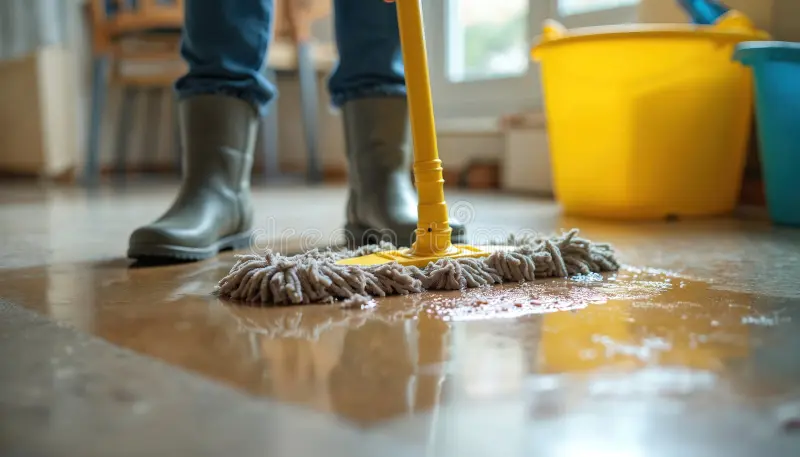
Returning home after a flood can be an overwhelming experience. Since floodwaters often contain harmful bacteria, sewage, and chemicals, it’s crucial to properly clean and sanitize your home to ensure it’s safe to live in again.
Assessing Safety and Structural Integrity
Before you even step foot inside a flooded property, you must ensure the environment is safe. Floodwaters can severely weaken foundation walls, floors, and roof structures. Walk carefully around the exterior of your home to look for visible signs of structural damage, such as large cracks, sagging roofs, or leaning walls. If you see significant structural compromises, do not enter.
Electrical hazards are another major concern. Never step into standing water if the power is still on. Contact your utility company to shut off the electricity and gas supply from the main lines. Even if the neighborhood has lost power, you must flip your main breaker off to prevent sudden shocks when the grid comes back online.
Finally, be cautious of unexpected hazards hiding inside. Floodwaters often sweep wild animals, displaced rodents, and sharp debris into homes. Carry a heavy flashlight, wear sturdy shoes, and move slowly through each room to avoid stepping on hidden nails or broken glass.
Gathering Essential Protective Gear and Supplies
Floodwater is commonly classified as “black water,” meaning it is highly contaminated with raw sewage, chemicals, and disease-causing organisms. You must protect your skin, eyes, and lungs before starting the cleanup process.
Make sure you have the following personal protective equipment (PPE) ready:
- Rubber boots: Choose thick, waterproof boots with steel toes and puncture-resistant soles.
- Heavy-duty gloves: Wear thick rubber or nitrile gloves. Leather or cloth gloves will soak up contaminated water.
- N95 respirators: A high-quality mask protects your lungs from mold spores and airborne bacteria.
- Safety goggles: Protect your eyes from chemical splashes and contaminated dust.
Alongside your safety gear, you will need a robust set of cleaning supplies. Stock up on heavy-duty trash bags, large buckets, stiff-bristled brooms, sponges, and plenty of clean water. You will also need commercial-grade disinfectants or unscented household bleach to kill lingering bacteria.
Removing Water and Drying the Property
The longer standing water remains in your home, the more damage it causes. Your immediate priority is removing the water and dropping the indoor humidity levels as quickly as possible.
Pumping Out Standing Water
If your basement or lower level is heavily flooded, pump the water out gradually. Removing water too quickly can cause a sudden change in pressure, which might lead to collapsed foundation walls. Aim to remove about one-third of the water per day. You can use gas-powered water pumps, but make sure the generator or pump remains outdoors to prevent carbon monoxide poisoning.
Clearing Out Saturated Items
Once the bulk of the water is gone, begin removing soaked items. Carpets, rug pads, and upholstered furniture act like giant sponges for contaminated water. In most cases, you must throw these items away. Drag saturated materials outside to a designated trash pile to prevent them from locking moisture inside the house.
Ventilating and Drying
Open all the windows and doors to get fresh air moving through the property. Use heavy-duty fans, wet-dry vacuums, and commercial dehumidifiers to pull moisture out of the air and the floorboards. Drying out a home completely can take several days or even weeks. Do not rush this step, as trapped moisture will inevitably lead to severe mold infestations.
Cleaning, Sanitizing, and Disinfecting Surfaces
With the property dry, you can begin the arduous task of cleaning the remaining surfaces. It is vital to understand the difference between cleaning and disinfecting. Cleaning removes visible dirt and mud, while disinfecting kills the microscopic pathogens left behind. You must do both.
Start by washing down all hard surfaces, such as concrete floors, metal fixtures, and solid wood furniture. Use hot water and a strong detergent to scrub away the mud. Rinse the areas thoroughly with clean water.
Next, apply an EPA-approved disinfectant or a mixture of one cup of bleach per gallon of water. Wipe down the cleaned surfaces and let the disinfecting solution sit for at least ten minutes before wiping it away. Never mix bleach with ammonia, as this creates a highly toxic gas.
Porous materials like drywall, fiberglass insulation, and particleboard furniture cannot be effectively sanitized. You should cut away and discard drywall and insulation at least two feet above the highest waterline. If the damage is extensive, it might be time to contact professionals for water damage restoration services in Salt Lake City. Experts have the specialized equipment required to handle large-scale contamination and structural tear-outs safely.
Restoring Air Quality and Preventing Future Issues
Once the physical cleaning is complete, turn your attention to the air quality inside your home. Flood events create the perfect breeding ground for mold, which can begin growing within 24 to 48 hours of water exposure.
To restore your indoor air quality, clean your HVAC ducts thoroughly before turning the central heating or cooling system back on. Running a contaminated HVAC system will blow mold spores and bacteria through the entire house. Replace all furnace filters with high-efficiency particulate air (HEPA) filters to catch lingering airborne contaminants.
You should also implement long-term prevention strategies to protect your home from future water events. Consider installing a battery-backup sump pump in your basement to keep water at bay during severe storms. Improving the grading around your home’s foundation and installing French drains can also help direct heavy rainfall away from your property.
Conclusion
Recovering from a flood is a massive undertaking that demands patience, caution, and a methodical approach. By assessing structural safety first, wearing the correct protective gear, and following strict disinfection protocols, you can effectively eliminate hazardous contaminants from your home.