
 By Heather Benac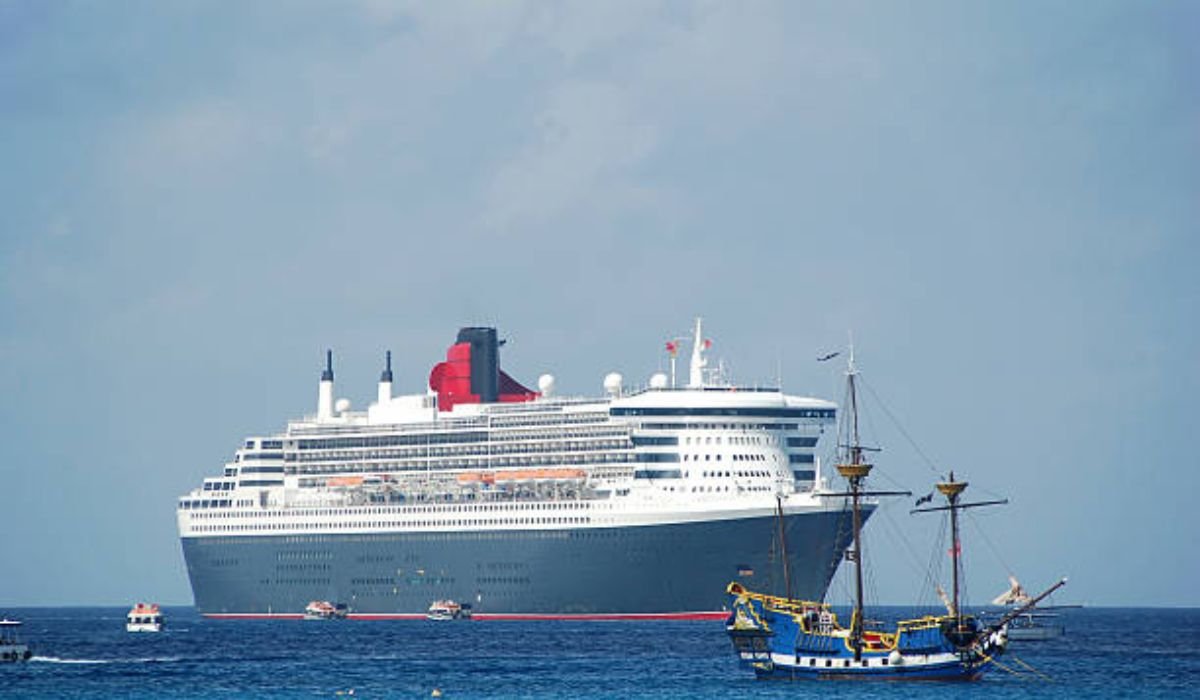
Key Points
- Piracy warnings for luxury cruise passengers are precautionary measures activated in high-risk maritime zones, such as the Gulf of Aden or Sulu Sea, to enhance vigilance without implying imminent danger.
- Research suggests these alerts involve simple steps like blackouts and deck closures, which have proven effective in deterring rare attacks, with cruise lines prioritizing passenger safety through advanced protocols.
- It seems likely that incidents remain low for large vessels, thanks to international naval patrols and onboard defenses, though travelers should stay informed via official advisories.
- Evidence leans toward luxury lines like Cunard maintaining robust security, including drills and acoustic devices, to ensure voyages proceed smoothly even in sensitive areas.
Understanding the Warning
A piracy warning signals heightened awareness in areas with historical risks, but modern cruises rarely face direct threats due to their size, speed, and defenses. For instance, ships may dim lights to reduce visibility, a tactic rooted in naval strategies (see U.S. Maritime Advisory for details: https://www.maritime.dot.gov/msci-advisories).
Safety Measures Overview
Cruise operators employ layered protections, from evasive maneuvers to non-lethal tools like Long-Range Acoustic Devices (LRAD), which emit disorienting sounds. Private security teams, often with military backgrounds, are common on world voyages.
Choosing Secure Voyages
Opt for lines with strong safety records, such as those adhering to Best Management Practices (BMP) for maritime security. Updates for 2026 indicate ongoing but diminished threats in key regions.
Safety at Sea: What a Piracy Warning for Luxury Cruise Passengers Really Means
Imagine the gentle sway of a luxury liner under a starlit sky, the distant hum of waves lapping against the hull, when suddenly the captain’s voice crackles over the intercom with a piracy warning for luxury cruise passengers. Your heart skips a beat, but hold on: this isn’t a scene from a swashbuckling tale. It’s a calculated step in modern maritime security, designed to keep you safe while you chase horizons. As time-traveling explorers on the high seas, we draw from centuries of seafaring lore to decode these alerts, turning potential unease into empowered adventure.
READ ALSO: Delta Flight DL275 Diverted LAX: The Full Story
Why Piracy Warnings Echo Through Modern Voyages
Piracy isn’t just the stuff of Blackbeard’s era, with cutlasses and buried treasure. Today’s threats stem from economic desperation in unstable regions, where small bands in speedboats target vessels for ransom or cargo. Think of it like layers in an ancient map: the surface shows calm waters, but beneath lie currents of geopolitical tension.
Historical Threads in Today’s Risks
Flash back to the Golden Age of Piracy in the 1700s, when buccaneers roamed the Caribbean and Indian Ocean, preying on merchant ships laden with spices and gold. Fast-forward to the 2000s, and Somali pirates revived this peril in the Gulf of Aden, hijacking over 200 vessels at their peak. By 2026, incidents have dropped sharply, thanks to international coalitions like Operation Atalanta, but pockets persist. The U.S. Maritime Administration reports three hijackings and six boardings in the Gulf of Aden, Arabian Sea, and Indian Ocean since January 2025, often involving firearms. Meanwhile, in Southeast Asia’s Sulu-Celebes Sea, groups linked to local insurgencies keep the alert level high.
The Real Impact on Luxury Cruises
For high-net-worth travelers on world voyages, these warnings rarely disrupt the champagne toasts or spa sessions. Cruise lines like Cunard, with ships such as the Queen Anne, activate protocols only in transit zones, affecting perhaps a night or two. Consider this: in over two decades, just a handful of cruise ships have faced attempts, all repelled without passenger harm. The evidence points to size as a shield; massive liners outpace and outmaneuver tiny skiffs.
Addressing Your Concerns
Worried about family on board? Rest easy. Ships communicate risks transparently, often via pre-voyage emails or onboard briefings. Mythbuster: No, pirates don’t storm buffets like in movies; they prefer isolated cargo ships. But here’s where history feels alive: just as ancient mariners scanned horizons for sails, today’s crews use radar to spot threats miles away.
Mapping Your Voyage: High-Risk Zones
Navigating the world’s oceans is like charting a grand historical expedition, from the spice routes of old to today’s global circuits. But certain passages demand extra caution, much like avoiding stormy capes in the Age of Sail.
Key Maritime Risk Zones
High-risk areas cluster where poverty meets busy shipping lanes. The Gulf of Aden, linking the Red Sea to the Indian Ocean, remains a hotspot due to proximity to Somalia. The Arabian Sea and broader Indian Ocean extend this threat up to 600 nautical miles offshore. In Southeast Asia, the Sulu-Celebes Sea between the Philippines and Indonesia sees sporadic activity from armed groups. West Africa’s Gulf of Guinea adds another layer, with kidnappings more common than hijacks.
Route Alternatives and Updates for 2026
Many luxury lines reroute to safer paths, skipping the Red Sea for the Cape of Good Hope, adding days but peace of mind. For world voyages, check advisories from the Office of Naval Intelligence or UK Maritime Trade Operations. In 2026, threats are diminished but ongoing: seven firearm incidents from July to November 2025 signal vigilance is key. Pro tip: Apps like MarineTraffic let you track ships in real-time, turning you into a modern-day cartographer.
Practical Table: High-Risk Zones at a Glance
| Zone | Primary Threat | Recent Incidents (2025+) | Cruise Impact Tip |
| Gulf of Aden | Hijacking, armed robbery | 3 hijackings, 6 boardings | Avoid solo yachting; stick to convoys |
| Arabian Sea/Indian Ocean | Firearm attacks, kidnapping | 7 firearm cases | Monitor UKMTO alerts pre-voyage |
| Sulu-Celebes Sea | Piracy from insurgent groups | Sporadic boardings | Close curtains during transits |
| Gulf of Guinea | Kidnapping for ransom | Increasing reports | Opt for lines with armed escorts |
This table distills data from official sources, helping you plan like a seasoned explorer plotting safe harbors.
Beyond the Guidebooks: Hidden Narratives of Security
Dive deeper, and you’ll uncover stories that make maritime security feel as epic as a historical saga. Forget generic advice; here’s the human side, where crew ingenuity meets cutting-edge tech.
The Evolution of Defenses
Picture ancient galleons firing cannons; now, ships wield Long-Range Acoustic Devices (LRAD), blasting ear-piercing sounds up to 300 meters to disorient attackers. Water cannons, at 80 pounds per square inch, create barriers no skiff can breach. Evasive maneuvers, like zigzagging or bow waves, capsize threats, a tactic honed from naval history. Private security teams, often ex-military from Nepal or Israel, patrol decks, ready to deploy non-lethal force.
What Happens During a Piracy Drill
These aren’t your standard lifeboat musters. Crews simulate alerts weekly, practicing roles from radar monitoring to passenger assembly in safe zones (think theaters or lounges, away from windows). Passengers might join mock scenarios, learning to stay low and quiet. On Cunard’s Queen Anne in 2025, a drill involved blackouts and deck closures, reducing visibility like a stealthy frigate in foggy waters. The goal? Turn fear into familiarity, much like rehearsing for a grand theatrical performance.
Original Angle: Pirates’ Perspective
Ever wonder why cruises evade capture? Pirates target slow, low-freeboard vessels for easy boarding. Luxury liners, towering like floating fortresses, speed at 20+ knots, outrunning most threats. Historical echoes: In 2005, the Seabourn Spirit used LRAD and speed to repel Somali attackers, a tale retold in crew lore as a victory of wits over weapons.
Crew Insights and Passenger Stories
When I chatted with a veteran Cunard officer (names withheld for privacy), he shared how drills build trust: “It’s like preparing for a storm that rarely hits.” Passengers on 2025 voyages reported the alerts as “eerie but exciting,” with blackouts turning evenings into stargazing sessions. For families, turn it into a game: hide-and-seek with history, explaining how ancient Phoenicians navigated perils similarly.
Local Secrets: Enhancing Your Cruise Experience
Even amid warnings, luxury cruises offer treasures akin to discovering hidden ruins. Here’s how to savor the journey without skimping on sophistication.
Safest Luxury Lines for World Voyages
Lines like Viking, Silversea, and Cunard top 2026 rankings for security, per Consumer Reports surveys. They integrate BMP guidelines, offering armed escorts in risks zones. Avoid lesser-known operators; stick to those with expedition expertise for polar or exotic routes.
Where to Dine and Unwind Like an Explorer
In port, seek authentic spots: In Dubai (near the Gulf of Aden), dine at Al Fanar for Emirati cuisine, evoking ancient trade routes. Onboard, pair security briefings with sunset cocktails, discussing piracy folklore over caviar. Pro tip: Book suites with balconies for private views, but draw curtains in high-risk transits as advised.
Accessibility and Family Tips
Can you cruise with kids? Absolutely: frame warnings as adventure stories, like Captain Hook tales. For mobility needs, ships provide escorts during drills. Cultural significance: These protocols honor seafaring heritage, reminding us how explorers like Magellan braved similar dangers.
FAQs
Q: What’s the most overlooked aspect of piracy warnings?
A: The role of international navies, where coalitions patrol hotspots, making attacks on cruises virtually nonexistent.
Q: Can I visit high-risk zones year-round?
A: Yes, but dry seasons (November to March in the Indian Ocean) offer calmer seas and lower risks; check advisories for crowd-free transits.
Q: How do cruise ships really defend against attacks?
A: Beyond blackouts, they use LRAD for sonic deterrence and water cannons, proven in incidents like the 2009 MSC Melody repel.
Q: Are piracy warnings more common in 2026?
A: Threats are stable but monitored; U.S. advisories renew every six months, with diminished overall activity.
Q: What if an alert happens mid-voyage?
A: Follow crew instructions calmly; ships have safe muster points, turning the moment into a shared story.
Q: Do all luxury lines handle this the same?
A: Top ones like Cunard standardize protocols, but always review your line’s policy pre-booking.
Q: Is yachting safer than cruising?
A: No: advisories warn against private yachts in these waters due to higher capture risks.
3 Time-Traveler Tasks
Download the MarineTraffic app for real-time ship tracking.
Whisper “BMP compliant?” to your travel agent for security-focused itineraries.
Spot the navigation lights during a blackout for a lucky voyage ahead.
YOU MAY ALSO LIKE: United Airlines Flight UA770 Emergency Diversion: Key Facts