
 By Prime Star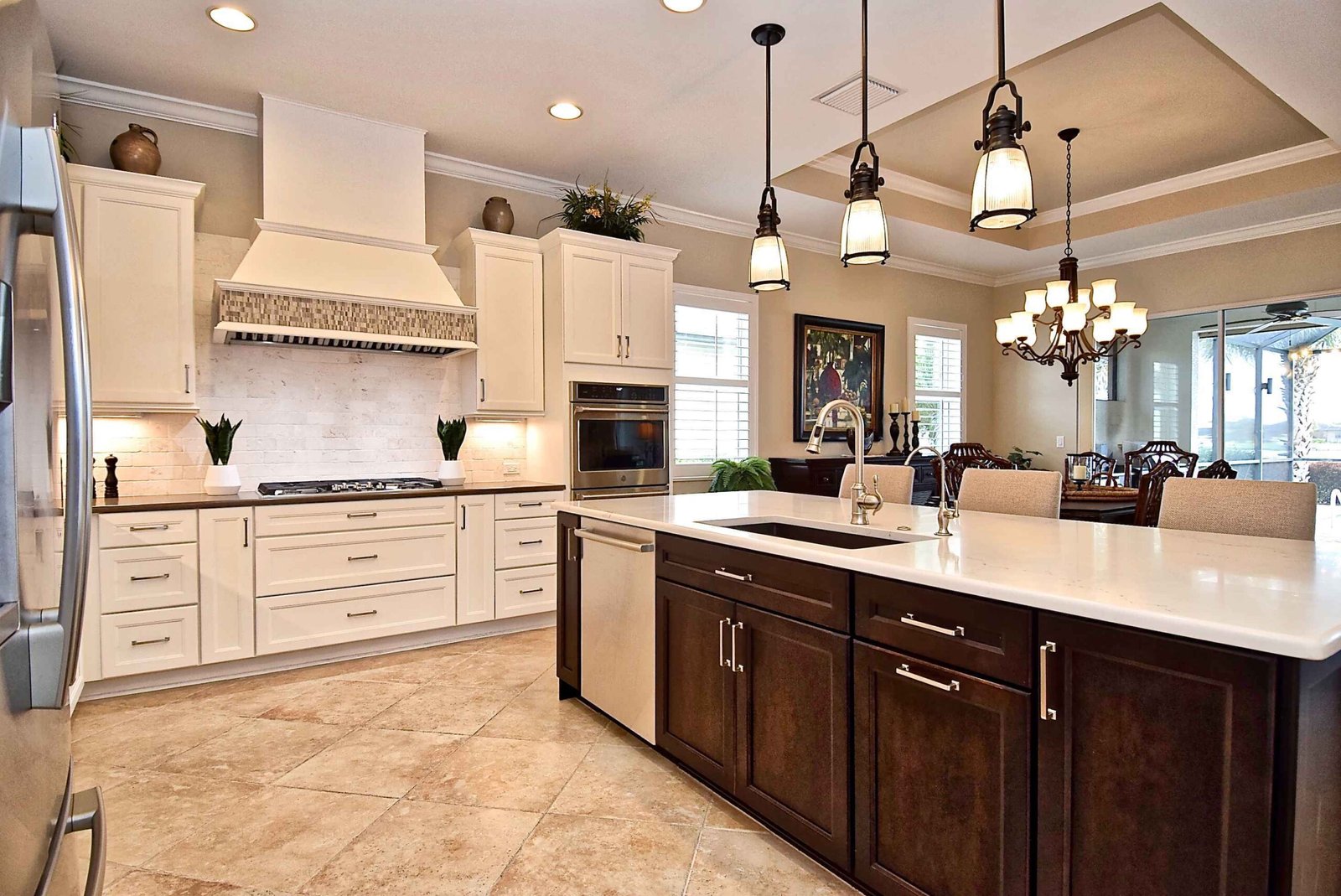
Most people don’t decide to remodel their home in a single moment. The decision builds slowly. A room starts to feel cramped. Storage runs out. Traffic flow becomes awkward. The layout that once worked perfectly no longer supports the way the household lives. These changes are subtle at first, but over time they accumulate into a clear message: the house hasn’t changed, but life has.
That’s when many homeowners begin exploring Portland home remodeling, not to chase trends, but to realign their space with their reality. Remodeling is less about aesthetics and more about adaptation. A home should grow with the people inside it. When it doesn’t, friction replaces comfort.
A remodel is not an indulgence. It’s a recalibration.
Homes Are Designed for a Moment in Time
Every house reflects the era in which it was built. Floor plans, storage assumptions, ceiling heights, and room functions are shaped by the needs of that time. But lifestyles evolve faster than architecture. Remote work, larger households, and multi-use spaces are modern expectations that older layouts rarely anticipate.
What once felt spacious may now feel inefficient. Rooms originally designed for single purposes must now support overlapping roles, work, relaxation, entertainment, and storage. Remodeling updates not just surfaces but intention.
The goal is not to erase the house’s character. It’s to help the structure support modern living. Good remodeling preserves identity while improving function.
Flow Is More Important Than Square Footage
Many homeowners assume they need more space when what they actually need is better space. Remodeling often reveals that inefficiency, not size, is the real problem. Poor circulation patterns waste usable areas and create bottlenecks.
Opening sightlines, repositioning walls, and redefining room boundaries can transform how a house feels without adding square footage. A well-designed layout moves naturally. It reduces friction in daily routines and allows rooms to breathe.
Flow determines comfort. When movement is easy, the home feels larger than it is.
Remodeling as Preventive Maintenance
Aging homes accumulate hidden vulnerabilities. Wiring deteriorates, plumbing corrodes, insulation weakens, and structural elements shift subtly over decades. Remodeling offers an opportunity to address these issues proactively instead of reacting to emergencies.
Updating infrastructure during renovation strengthens the entire home. Electrical systems become safer. Plumbing becomes more reliable. Insulation improves efficiency. These upgrades rarely show on the surface, but they dramatically change how a house performs.
A remodel isn’t only about appearance, it’s about stability.Homes last longer when their systems evolve with time.
Storage Is Architecture, Not Decoration
One of the biggest drivers of remodeling is storage. Modern households own more than homes built decades ago were designed to contain. When storage fails, clutter spreads into living space, shrinking rooms visually and emotionally.
Thoughtful remodeling integrates storage into the structure. Custom cabinetry, concealed shelving, and multifunctional furniture reclaim square footage without expanding the footprint. The house feels calmer because everything has a place.
Organization is not an afterthought. It is built into the bones of the design.
Light Changes Everything
Lighting influences mood more than people realize. Older homes often rely on isolated fixtures that leave corners dim and spaces uneven. Remodeling introduces layered lighting that supports both function and atmosphere.
Natural light becomes a priority. Larger windows, skylights, and open layouts allow daylight to penetrate deeper into the home. Artificial lighting complements rather than competes with it.
A brighter home feels cleaner, safer, and more welcoming. Light is emotional architecture. It reshapes perception instantly.
Remodeling Is About Living Better, Not Just Selling Later
Real estate conversations often focus on resale value, but the true return on remodeling is daily experience. A home that supports routine reduces stress. A layout that flows well makes tasks easier. Updated systems eliminate small frustrations that quietly drain energy.
Yes, remodeling often protects property value. But its greatest benefit is invisible: it improves how life unfolds inside the walls.
Homes are not investments first. They are environments for living. A remodel is an investment in comfort.
Emotional Impact of a Reimagined Space
When a remodel is finished, homeowners often struggle to describe the change in purely visual terms. They talk about how the home feels calmer, easier, brighter. These words reflect emotional architecture.
Spaces influence behavior. A cluttered layout creates tension. A functional one encourages relaxation. Remodeling removes friction that people didn’t even realize they were carrying.
The Long-Term Value of Adaptation
Homes that adapt remain relevant. Houses that resist change feel dated, regardless of cosmetic updates. Remodeling allows structures to evolve without losing their identity.
A well-executed renovation bridges eras. It preserves craftsmanship while introducing modern performance. The result feels timeless rather than trendy.
Adaptable homes hold value longer because they continue to serve real needs. Architecture should age with grace.Not become obsolete.
Remodeling is not about chasing style. It’s about restoring harmony between a home and the people who live inside it. As life changes, spaces must respond. When they don’t, discomfort grows quietly until renovation becomes inevitable.
Thoughtful remodeling improves flow, infrastructure, light, storage, and emotional comfort. It strengthens the structure while softening daily friction. A home that works beautifully supports the people inside it in ways that go beyond appearance.
The best remodels don’t make a house look new. They make it feel right and when a home feels right, everything inside it functions better.