
 By Prime Star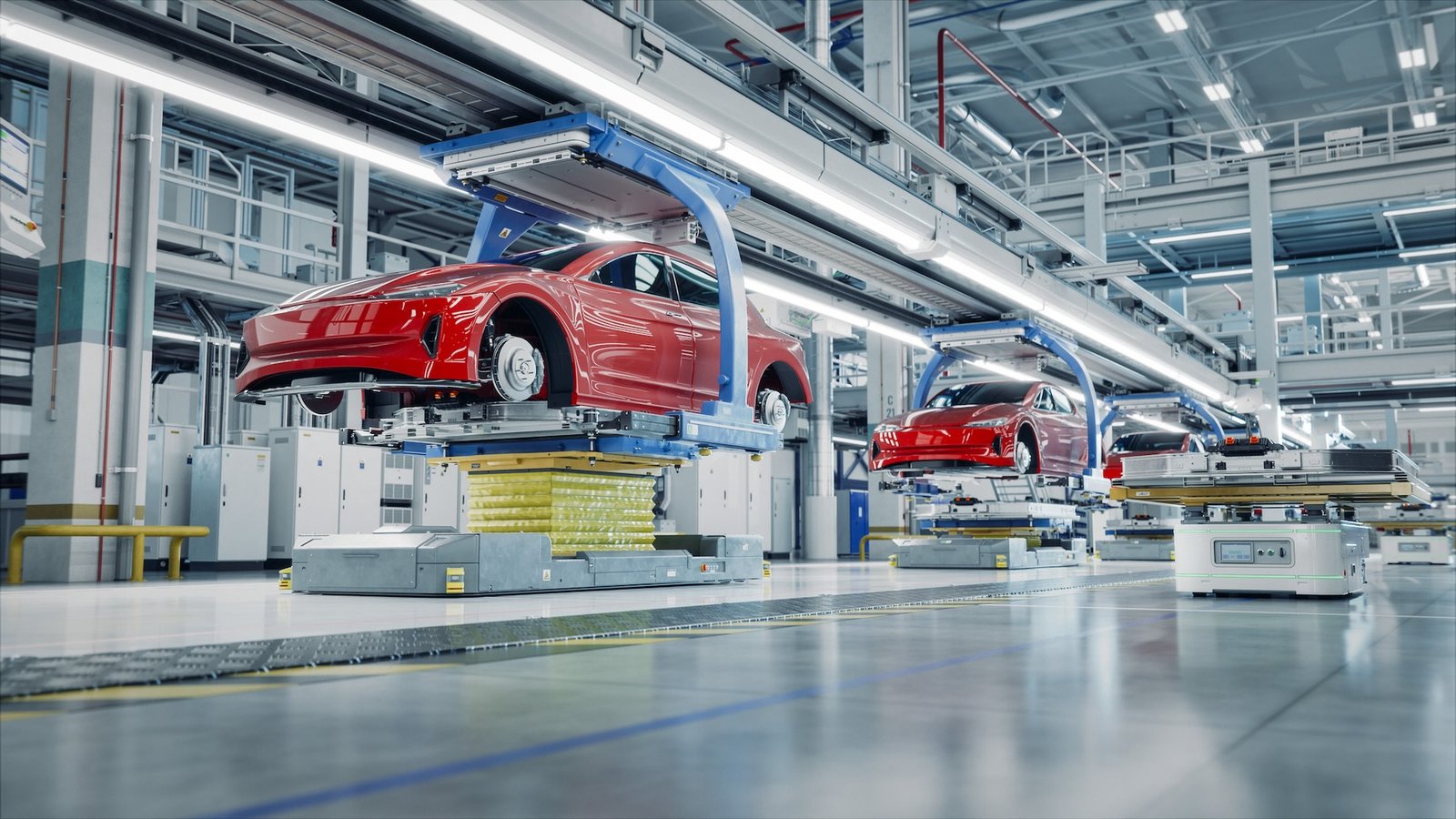
The automotive industry is undergoing a massive transformation, driven by technological advancements, shifting consumer preferences, and new regulatory landscapes. Understanding these shifts is crucial for manufacturers, suppliers, and consumers alike to navigate the future of mobility. By exploring these developments, readers can gain valuable insights into how vehicles are designed, manufactured, and distributed.
Here are six significant trends currently reshaping the automotive sector.
The Rapid Expansion of Electric Vehicles (EVs)
The transition from internal combustion engines to electric powertrains is the most prominent shift in the automotive world. Driven by stricter global emissions targets and growing consumer environmental awareness, automakers are investing billions into EV development. Sales of electric cars have surged, with market share doubling in several key regions over the last few years. Major manufacturers have committed to phasing out gas-powered vehicles entirely within the next two decades. For industry professionals, focusing on battery efficiency and charging infrastructure will be essential to supporting this rapid electrification.
Advancements in Autonomous Driving
Autonomous vehicle (AV) technology is steadily moving from science fiction to practical application. While fully self-driving cars without steering wheels are still in the testing phases, Advanced Driver Assistance Systems (ADAS) like lane-keeping assist, adaptive cruise control, and automated parking are now standard in many new models. These technologies rely on an intricate network of sensors, cameras, and artificial intelligence to navigate roads safely. Automotive companies should continue to invest in software development and machine learning capabilities to stay competitive as consumers increasingly expect these safety and convenience features.
Resilient Supply Chains and Heavy Logistics
Recent global disruptions exposed significant vulnerabilities in automotive manufacturing supply chains, particularly regarding semiconductor shortages and logistical bottlenecks. As a result, automakers are restructuring their supply networks to prioritize resilience over sheer cost-efficiency. This involves localizing parts production and investing in robust logistics frameworks to move heavy machinery, parts, and chassis. Transporting oversized manufacturing equipment or raw materials to new localized facilities often requires specialized heavy-haul equipment, such as a lowboy trailer, to ensure safe and efficient transit. Evaluating and upgrading logistical partnerships is a highly recommended step for manufacturers looking to prevent future assembly line halts.
The Rise of Connected Cars and IoT
Vehicles are increasingly becoming mobile smart devices. The integration of the Internet of Things (IoT) allows cars to communicate with other vehicles, infrastructure, and the driver’s personal devices. Connected cars can receive over-the-air (OTA) software updates, monitor engine health in real-time to predict maintenance needs, and provide enhanced infotainment options. Data shows that connected vehicles significantly reduce warranty claim costs for manufacturers through proactive diagnostics. Automakers should prioritize cybersecurity measures to protect user data and ensure the safe operation of these connected systems.
Sustainable and Eco-Friendly Manufacturing
Beyond the vehicles themselves, the processes used to build them are becoming greener. Automotive companies are committing to carbon-neutral manufacturing facilities by utilizing renewable energy sources, recycling water, and reducing factory waste. Additionally, there is a growing trend toward using sustainable materials inside the cabin, such as recycled plastics, synthetic leathers, and plant-based fabrics. Implementing sustainable manufacturing practices not only helps companies meet regulatory requirements but also appeals to a growing demographic of eco-conscious consumers who consider the environmental footprint of their entire purchase.
The Shift to Digital Automotive Retail
The traditional dealership model is evolving as more consumers prefer to research, customize, and purchase vehicles online. Virtual showrooms, augmented reality (AR) configurations, and direct-to-consumer sales models are becoming increasingly popular. Studies indicate that a significant percentage of buyers now want to complete at least a portion of their car-buying journey digitally. Automotive brands should focus on creating seamless omnichannel experiences, allowing customers to transition effortlessly from browsing a vehicle on their smartphone to taking a test drive at a local distribution center.
The automotive industry is in a period of unprecedented change, characterized by the convergence of electrification, digital technology, and sustainability initiatives. The six trends—EV expansion, autonomous driving, resilient supply chains, connected cars, eco-friendly manufacturing, and digital retail—are not operating in isolation; rather, they are reinforcing one another to create a fundamentally new landscape for mobility. Success in this evolving market hinges on a company’s ability to strategically invest in software capabilities, supply chain resilience, and customer-centric digital experiences. By embracing these shifts, stakeholders can ensure they remain relevant and competitive in the fast-paced future of the global automotive sector.