
 By Prime Star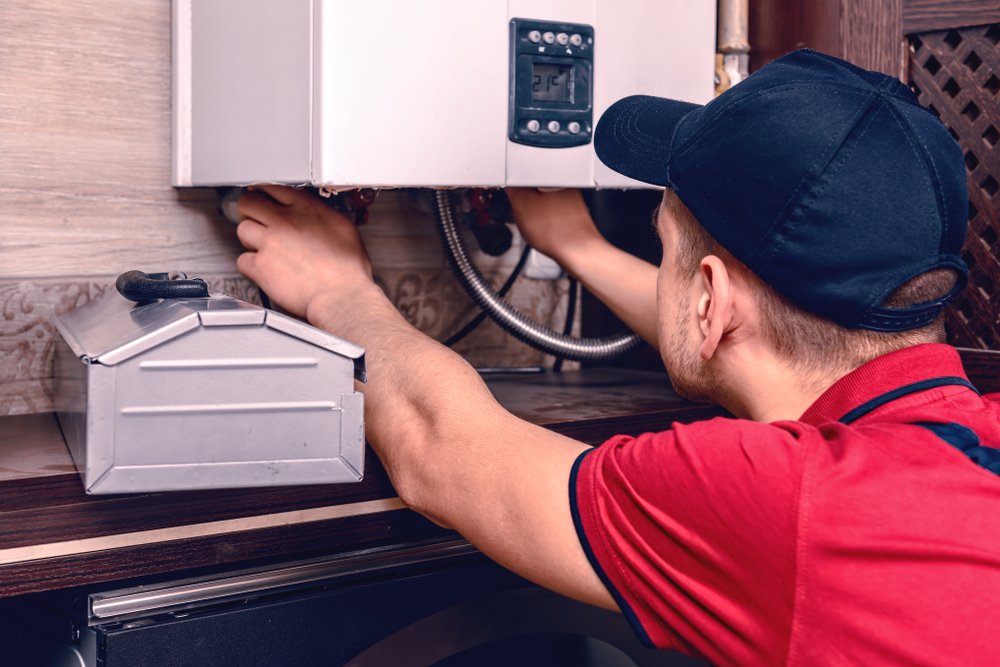
As the seasons shift, so do the demands on your property. Whether you are transitioning into the freezing depths of winter or the sweltering heat of summer, failing to prepare your house can lead to uncomfortable living conditions and expensive repairs. According to the U.S. Department of Energy, proper seasonal maintenance can significantly reduce energy bills while extending the lifespan of your home’s critical systems. This guide will walk you through seven essential steps to proactively ready your home for the changing weather, ensuring your living space remains safe, efficient, and comfortable year-round.
1. Clear and Inspect the Gutters
Your home’s gutter system is its primary defense against water damage. When leaves, twigs, and debris accumulate, water can overflow and pool around your foundation, potentially causing structural damage or basement flooding. According to home insurance data, water damage is one of the most common and costly homeowner claims.
Tip: Make it a habit to clean your gutters at least twice a year—once in late spring and once in late fall. While you are up on the ladder, flush the downspouts with a garden hose to ensure water flows freely away from the base of your home.
2. Seal Window and Door Drafts
Drafty windows and doors are major culprits for energy loss. In fact, air leaks can account for up to 30% of a home’s heating and cooling costs. Taking the time to properly seal these gaps keeps the elements out and prevents your HVAC system from working overtime.
Tip: On a windy day, carefully hold a lit stick of incense or a candle near the edges of your windows and doors. If the smoke wavers, you have found a draft. Use weatherstripping for moving parts and silicone caulk for stationary gaps to seal the leaks effectively.
3. Service the Heating and Cooling Systems
Your HVAC system is the heart of your home’s climate control, and it requires regular maintenance to run efficiently. Dirty filters restrict airflow, forcing the system to consume more energy and increasing the risk of mechanical failure. Have a professional technician clean the ducts, calibrate the thermostat, and inspect the internal components before peak seasons hit. If your heating system is aging or frequently breaking down, it may be time to evaluate your options, such as looking into a furnace replacement in Draper to guarantee reliable warmth during the colder months.
Tip: Change your HVAC filters every 30 to 90 days, depending on whether you have pets or allergies. A clean filter is the easiest way to maintain indoor air quality and system efficiency.
4. Test Smoke and Carbon Monoxide Detectors
As temperatures drop and windows stay closed, the risk of indoor air quality issues and fires increases, particularly when heating systems are in constant use. Functional smoke and carbon monoxide (CO) detectors are non-negotiable safety features that save lives. The National Fire Protection Association reports that dead batteries cause a significant percentage of smoke alarm failures.
Tip: A helpful rule of thumb is to replace the batteries in all your detectors when you adjust your clocks for Daylight Saving Time. Press the “test” button on each unit monthly to ensure the alarms sound loudly.
5. Prepare the Plumbing for Temperature Swings
Frozen pipes can burst and cause catastrophic water damage in a matter of hours. Conversely, outdoor plumbing that isn’t prepped for seasonal changes can degrade over time. Protecting your pipes is a simple preventative measure that guards against thousands of dollars in emergency plumbing repairs.
Tip: Disconnect and drain all outdoor garden hoses before the first freeze. For exposed pipes in unheated areas like basements, attics, or crawl spaces, wrap them in inexpensive foam pipe insulation.
6. Conduct a Thorough Roof Inspection
Your roof bears the brunt of severe weather, from heavy snowfall and ice dams to intense UV rays and thunderstorms. Missing, cracked, or curling shingles compromise the waterproof barrier of your home, leading to subtle leaks that can rot the wood framing and promote mold growth in your attic.
Tip: You do not necessarily need to climb onto the roof to spot trouble. Use a pair of binoculars from the ground to safely inspect the shingles, flashing around chimneys, and vent pipes. If you notice dark patches or damaged areas, hire a licensed roofer to perform repairs before the weather worsens.
7. Stock Up on Seasonal Emergency Supplies
When a severe storm hits, the last thing you want is to be caught without the necessary supplies. Supply chain disruptions and local shortages are common right before major weather events, so proactive purchasing is key to navigating power outages or getting snowed in safely.
Tip: Create a dedicated seasonal supply bin. For winter, this means stocking up on ice melt, securing a sturdy snow shovel, and checking your flashlights, batteries, and first-aid kits. Keep this bin in an easily accessible location, such as the front of the garage or a main hallway closet.
Taking a proactive approach to seasonal home maintenance preserves the integrity of your property and provides peace of mind. By systematically addressing your gutters, insulation, HVAC equipment, and safety devices, you create a resilient home environment equipped to handle whatever the changing seasons bring.