
 By Arthur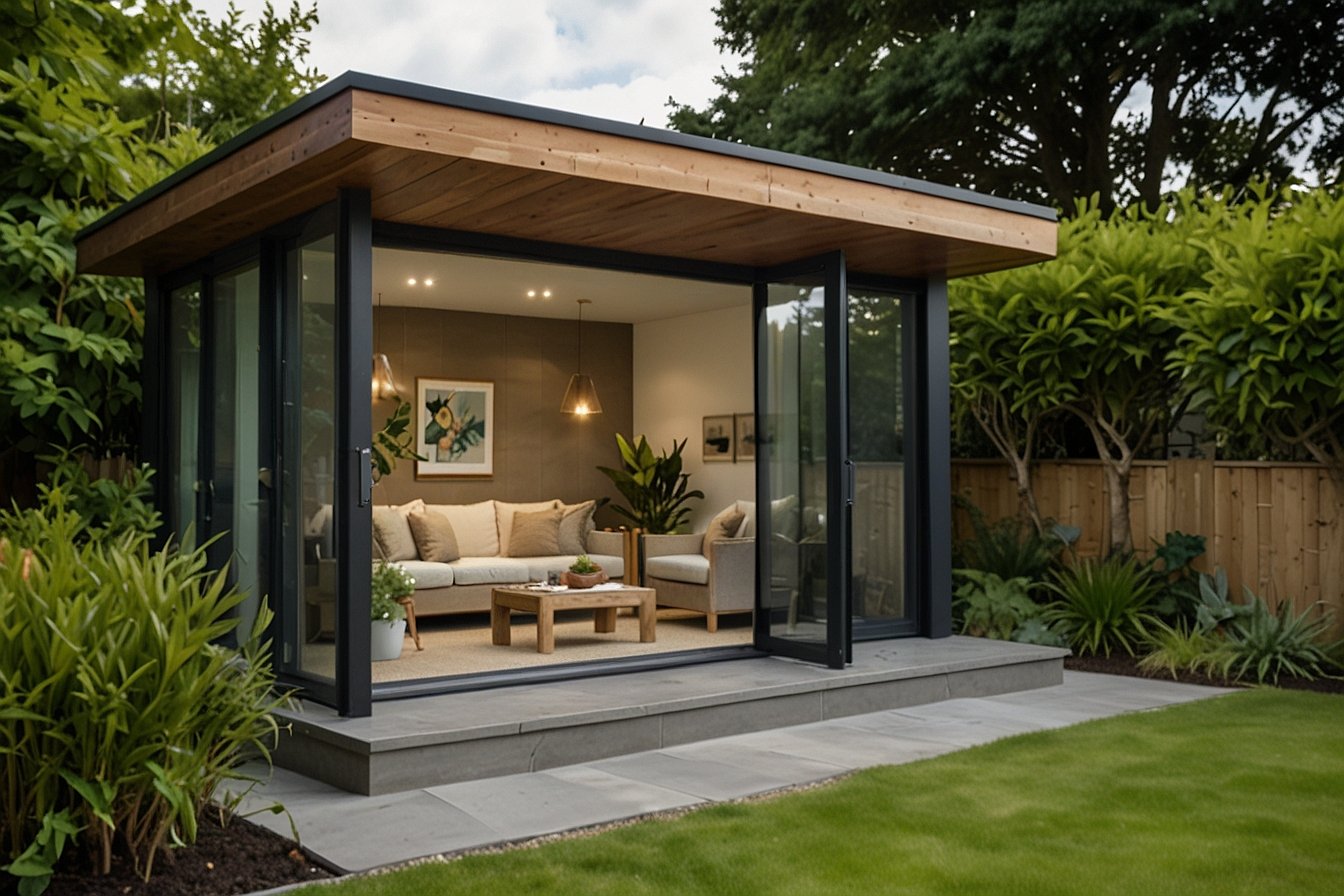
Garden rooms have become one of the most exciting trends in modern home design, offering a versatile way to expand your living space without the disruption of a full-scale extension. Whether you’re dreaming of a peaceful retreat, a productive home office, or a stylish entertainment area, garden rooms provide a practical and aesthetically pleasing solution that blends indoor comfort with outdoor charm.
At their core, garden rooms are standalone structures built within your outdoor space, typically designed to be used year-round. Unlike traditional sheds or summerhouses, they are insulated, often equipped with electricity, and built with durability in mind. This makes them far more than just a seasonal feature—they become a true extension of your home.
One of the biggest appeals of garden rooms is their flexibility. For those working remotely, they offer a quiet, distraction-free environment separate from the main house. This physical separation can do wonders for productivity and work-life balance. Imagine stepping out of your back door and into a dedicated workspace that feels both professional and inspiring. With the right design, natural light floods the space, creating an atmosphere that’s far more uplifting than a typical home office setup.
Beyond work, garden rooms are perfect for creative pursuits. Artists, writers, and musicians often find that having a dedicated space away from household noise helps unlock their creativity. The connection to the outdoors—whether it’s the view of greenery or the gentle sounds of nature—can be incredibly grounding and inspiring.
For families, garden rooms can serve as multi-functional spaces. They might become a playroom for children, a gaming den for teenagers, or even a home gym. As needs change over time, the room can evolve with you. This adaptability makes garden rooms a smart long-term investment, especially for homeowners who want to maximize their property’s potential without committing to permanent structural changes.
Design is another area where garden rooms truly shine. From sleek, modern builds with floor-to-ceiling glass to rustic, timber-clad cabins that blend seamlessly into the landscape, there’s a style to suit every taste. Many homeowners choose to match the design with their main house, while others use it as an opportunity to experiment with something bold and different.
Sustainability is also becoming a key consideration. Many garden rooms are now built using eco-friendly materials and energy-efficient features. Options like solar panels, green roofs, and high-performance insulation not only reduce environmental impact but can also lower long-term running costs. It’s a way to create a space that feels good in every sense—comfortable, stylish, and responsible.
Another advantage worth noting is the relatively straightforward installation process. Compared to traditional home extensions, garden rooms often require less time and fewer permits, depending on local regulations. This means you can transform your outdoor space in a matter of weeks rather than months, with minimal disruption to your daily life.
Of course, thoughtful planning is essential. Consider how you’ll use the space, the best position within your garden, and how it will connect visually and practically to your home. Lighting, heating, and storage should all be factored in early to ensure the space is as functional as it is beautiful.
Ultimately, garden rooms represent a shift in how we think about our homes. They blur the line between indoors and outdoors, offering a new way to live, work, and relax. As more people look for ways to enhance their living environments, it’s easy to see why garden rooms are becoming such a popular choice. They’re not just an addition—they’re a lifestyle upgrade that brings you closer to the space you already have.